
Starting a GLP-1 medication can change your appetite, energy levels, food intake, digestion, and the rate at which you lose weight.
Although seeing the number on the scale decrease may feel encouraging, weight loss is not always limited to body fat. Without appropriate nutrition and physical activity, some people may also lose muscle and strength.
That is why movement matters while taking a GLP-1 medication.
A well-designed exercise routine can help you maintain muscle, improve cardiovascular fitness, support mobility, strengthen bones, and build habits that contribute to long-term health. You do not need to become an athlete or begin an extreme workout program. The goal is to create a safe, realistic routine that you can gradually build over time.
Here is how to approach exercise while taking a GLP-1 medication, especially when appetite, energy, or digestive symptoms are changing.
Why Is Exercise Important While Taking a GLP-1?
GLP-1 medications may support significant weight loss for eligible patients. However, weight loss can involve reductions in both fat mass and lean body mass.
Lean body mass includes muscle, organs, connective tissue, water, and other nonfat tissues. Although some change in lean mass can occur during weight loss, maintaining as much functional muscle as possible is important for strength, mobility, balance, recovery, and long-term independence.
Exercise may help you:
- Maintain or improve muscular strength
- Support lean body mass during weight loss
- Improve cardiovascular endurance
- Support blood sugar management
- Maintain bone health
- Improve balance, coordination, and mobility
- Increase energy and physical confidence
- Build habits that support long-term weight management
Exercise is not a punishment for eating, and it should not be used to compensate for food. It is one of the tools that can help your body remain strong and capable while your weight and appetite change.
The Most Important Exercise for GLP-1 Users: Strength Training
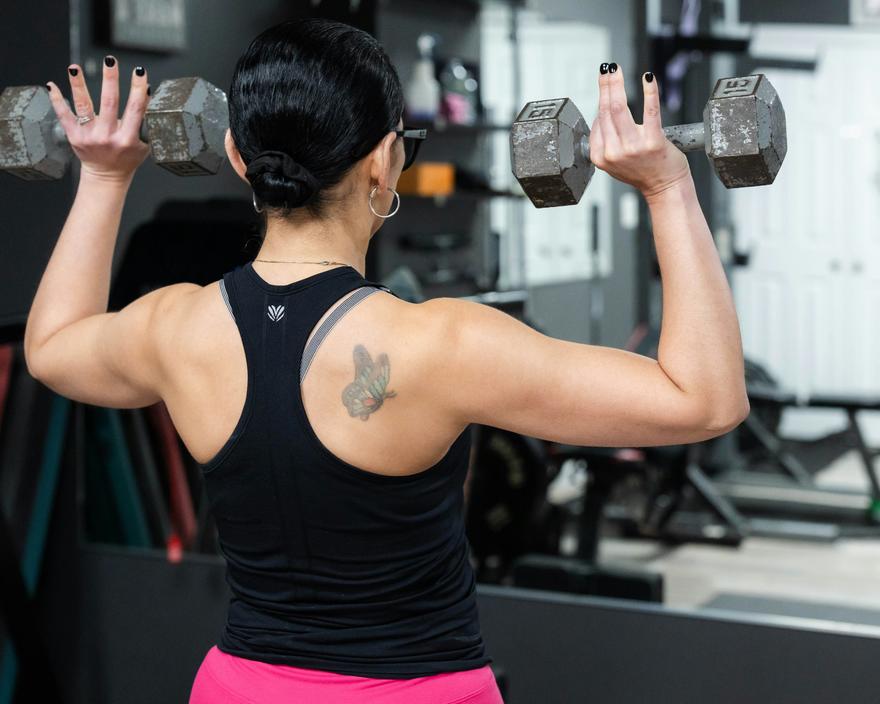
If your primary goal is to protect muscle during weight loss, resistance training deserves a central role in your exercise routine.
Strength training requires your muscles to work against resistance. That resistance can come from:
- Dumbbells
- Weight machines
- Resistance bands
- Kettlebells
- Cable machines
- Your own body weight
- Household items used safely
Common strength-training movements include:
- Squats or chair squats
- Lunges or supported split squats
- Hip hinges or deadlift variations
- Glute bridges
- Rows
- Chest presses
- Overhead presses
- Wall push-ups or modified push-ups
- Step-ups
- Core-stability exercises
You do not need to perform every exercise during every workout. A simple routine that trains the major muscle groups consistently is often more useful than a complicated program you cannot maintain.
How Often Should You Strength Train?
Many adults can begin with two strength-training sessions per week, allowing recovery time between sessions. Some people may eventually progress to three or more sessions depending on their health, experience, schedule, and goals.
A beginner workout may include five or six movements performed for one or two sets. As your body adapts, you may gradually increase:
- The amount of resistance
- The number of repetitions
- The number of sets
- The difficulty of the exercise
- The control and range of motion
This gradual process is sometimes called progressive overload. It gives your muscles a reason to adapt without requiring you to make dramatic changes all at once.
Seagulls tip: Technique matters more than lifting the heaviest possible weight. Begin with a level of resistance that allows you to move with control. A qualified personal trainer, physical therapist, or exercise professional can help you learn proper form.
Cardiovascular Exercise Still Matters
Strength training may help protect muscle, but cardiovascular activity supports your heart, lungs, circulation, stamina, and everyday energy.
Cardiovascular exercise can include:
- Walking
- Cycling
- Swimming
- Water aerobics
- Dancing
- Hiking
- Using an elliptical machine
- Rowing
- Jogging or running, when appropriate
Walking is often one of the most accessible ways to begin. It requires little equipment, can be adjusted to your current fitness level, and can be divided into shorter sessions throughout the day.
For example, three 10-minute walks may feel more realistic than one 30-minute workout, especially when you are beginning a new medication, adjusting your dose, or dealing with fatigue or nausea.
How Much Cardiovascular Activity Do You Need?
General physical-activity guidelines often encourage adults to work toward approximately 150 minutes of moderate-intensity aerobic activity per week, or 75 minutes of vigorous activity, along with muscle-strengthening activity.
That does not mean everyone should begin at that level.
If you are currently inactive, even 5 to 15 minutes of comfortable activity may be a meaningful starting point. Gradually adding time, frequency, or intensity can be safer and more sustainable than trying to reach a weekly target immediately.
During moderate-intensity activity, you should generally be working harder than usual while still being able to speak in short sentences. Your healthcare provider can help you determine an appropriate level of activity if you have cardiovascular disease, respiratory conditions, joint limitations, diabetes, or another medical concern.
Do You Need High-Intensity or Plyometric Exercise?
High-intensity interval training and plyometric movements such as jumping, burpees, or box jumps may improve power and athletic performance, but they are not required for a successful GLP-1 exercise plan.
These activities may be inappropriate for someone who is:
- New to exercise
- Experiencing dizziness or weakness
- Managing joint pain
- Recovering from an injury
- Experiencing significant nausea or dehydration
- At increased risk of falling
- Unable to maintain safe exercise form
Build a foundation of strength, balance, mobility, and cardiovascular conditioning before adding more explosive movements. High intensity should be earned gradually, not used as the starting point.
Do Not Overlook Flexibility, Balance, and Mobility
Stretching, mobility work, yoga, Pilates, and balance exercises can complement strength and cardiovascular training.
These activities may help you:
- Move more comfortably
- Maintain or improve range of motion
- Reduce stiffness
- Improve posture and body awareness
- Support balance and coordination
- Recover between more demanding workouts
- Manage stress
Flexibility work does not need to be a separate hour-long session. Five to 10 minutes after a walk or strength workout may be enough to begin.
Move slowly, avoid forcing a painful range of motion, and remember that stretching should create mild tension rather than sharp pain.
A Sample Weekly GLP-1 Exercise Schedule
Your ideal exercise routine depends on your starting point, medical history, schedule, fitness level, and personal preferences.
Here is one example of a balanced beginner-to-intermediate week:
- Monday: Full-body strength training and gentle stretching
- Tuesday: Moderate walking, cycling, or another comfortable cardio activity
- Wednesday: Mobility, balance, yoga, or light recovery movement
- Thursday: Full-body strength training
- Friday: Moderate cardiovascular activity
- Saturday: Enjoyable movement such as hiking, swimming, dancing, or a longer walk
- Sunday: Rest or gentle active recovery
This is only an example. You can move the sessions around, shorten them, or divide them into smaller blocks.
A useful exercise plan is not the one that looks most impressive on paper. It is the one that you can perform safely, recover from, and repeat consistently.
Start Slowly, Especially During Dose Changes
The first few weeks of a GLP-1 medication, or the period after a dosage increase, may involve changes in nausea, appetite, bowel habits, hydration, or energy.
This may not be the ideal time to begin an aggressive training program.
Start with manageable activity, such as:
- A 10-minute walk
- Gentle stationary cycling
- One set of basic strength exercises
- Chair-based movement
- Light mobility work
- A brief beginner yoga session
Pay attention to how you feel during the workout, several hours afterward, and the following day. Excessive soreness, exhaustion, dizziness, or worsening nausea may indicate that you progressed too quickly.
Gradual progress is still progress.
Protein and Exercise Work Together
Exercise gives your muscles a reason to adapt. Protein provides amino acids that your body uses to maintain and repair tissue.
When your appetite is reduced, eating enough protein may become more difficult. That is one reason to make protein a deliberate part of your GLP-1 routine.
Protein-rich options may include:
- Eggs
- Greek yogurt
- Cottage cheese
- Chicken or turkey
- Fish and seafood
- Lean meat
- Tofu or tempeh
- Edamame
- Beans and lentils
- Protein shakes or smoothies
You do not necessarily need a large meal immediately before or after every workout. However, regularly including protein across your meals and snacks can help you work toward your overall nutrition needs.
If solid food feels difficult after exercise, a smaller yogurt, smoothie, protein shake, egg, or serving of cottage cheese may be more manageable.
Your individual protein needs depend on factors including your age, body size, activity level, medical history, kidney function, overall intake, and goals. A registered dietitian can help you determine a personalized target.
Hydration Is Part of Your Exercise Plan
Some people taking GLP-1 medications may drink less because they feel less hungry, become full quickly, experience nausea, or do not notice thirst as readily.
Exercise increases fluid needs, especially in hot weather or during longer and more intense sessions.
Possible signs that you may need more fluids include:
- Dark urine
- Dry mouth
- Headache
- Dizziness
- Unusual fatigue
- Reduced exercise performance
- Constipation
Drink fluids gradually throughout the day rather than trying to consume a large amount immediately before exercise. Drinking too quickly may worsen fullness or nausea for some people.
People with heart disease, kidney disease, fluid restrictions, or electrolyte concerns should follow the hydration guidance provided by their healthcare team.
Should You Exercise When You Feel Nauseated?
Mild movement may feel helpful for some people, while exercise may worsen nausea for others.
If you are mildly uncomfortable but otherwise feel stable, you might choose:
- A short walk
- Gentle stretching
- Slow mobility work
- A lower-intensity version of your planned workout
Do not force a demanding workout when you are struggling to eat, unable to hydrate, vomiting, severely fatigued, or feeling unsteady.
One missed workout will not erase your progress. Rest and recovery are productive when your body needs them.
Know When To Stop Exercising
Stop exercising and seek appropriate medical guidance if you experience concerning symptoms such as:
- Chest pain or pressure
- Severe or unusual shortness of breath
- Fainting or feeling as though you may faint
- Severe dizziness
- Confusion
- A rapid or irregular heartbeat that does not settle
- Severe weakness
- Persistent vomiting
- Severe or worsening abdominal pain
- Signs of significant dehydration
- Symptoms of low blood sugar
GLP-1 medications do not commonly cause hypoglycemia by themselves, but the risk may be higher when they are used with insulin or certain other diabetes medications. Exercise can also affect blood sugar.
If you use insulin or another glucose-lowering medication, discuss exercise, blood-glucose monitoring, medication timing, and hypoglycemia management with your prescribing clinician.
The Seagulls Approach to Movement
The best exercise plan is not the most extreme one. It is the one that supports your health without ignoring your energy, nutrition, symptoms, medical needs, or lifestyle.
A thoughtful GLP-1 movement plan may help you:
- Protect strength and functional muscle
- Improve cardiovascular fitness
- Support balance and mobility
- Build confidence in your changing body
- Create a routine that extends beyond medication use
- Focus on health improvements beyond the scale
You do not need to exercise perfectly. You need to begin at an appropriate level, recover adequately, and continue building from there.
Strength training, regular walking, enough protein, consistent hydration, and realistic progression can create a strong foundation.
Build a Better Plan for Life on a GLP-1
Seagulls GLP-1 provides practical, dietitian-led education to help you understand protein, movement, meal planning, side-effect strategies, and sustainable health habits while taking a GLP-1 medication.
Start the free five-part GLP-1 courseFrequently Asked Questions

Dot
Medical Disclaimer
This article is for educational purposes only and is not a substitute for individualized medical care, physical therapy, or exercise instruction. Speak with your prescribing clinician or another qualified healthcare professional before beginning or significantly changing an exercise program, particularly if you have diabetes, heart disease, kidney disease, joint limitations, a history of falls, or another medical condition. Stop exercising and seek appropriate medical attention if you experience chest pain, fainting, severe shortness of breath, severe abdominal pain, persistent vomiting, or other concerning symptoms.
Editorial source: This original Seagulls GLP-1 article was informed in part by exercise guidance published by Cleveland Clinic. Review the Cleveland Clinic resource.

Comments
Practical nutrition, meal planning, strength, and lifestyle ideas for your GLP-1 journey.
No comments yet. You can still be first!